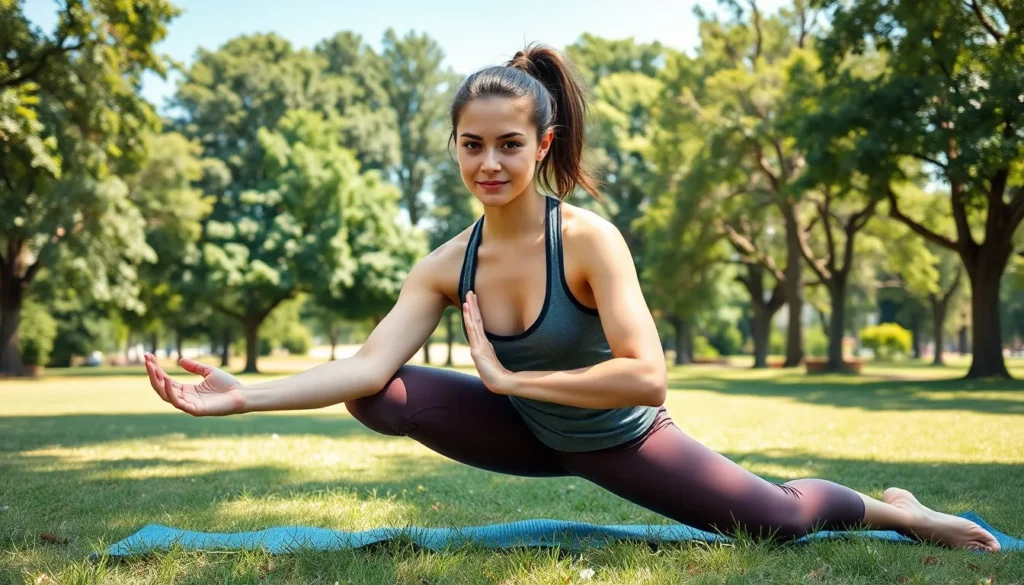
In a world where chaos reigns supreme, finding balance can feel like searching for a unicorn in a haystack. But fear not! A solid balance routine can transform even the most hectic days into a symphony of productivity and calm. Imagine gliding through your tasks like a graceful swan instead of flapping around like a headless chicken.
With the right balance routine, not only can one boost their focus and energy, but they can also dodge the dreaded burnout. It’s time to bid farewell to the overwhelming to-do lists and embrace a life where harmony reigns. Get ready to discover practical tips that’ll have you juggling life’s demands with the finesse of a seasoned performer. After all, who wouldn’t want to strut through life with a little more poise and a lot less stress?
Understanding Balance Routine
Establishing a balance routine offers significant benefits. Such routines help manage the chaos of daily life while fostering productivity and tranquility.
Importance of Balance in Daily Life
Balance plays a critical role in overall well-being. High levels of stress often lead to decreased focus and productivity. Without balance, individuals may find themselves overwhelmed by life’s demands. Increased energy results from maintaining a balanced lifestyle, allowing better performance in both personal and professional spheres. Incorporating balance enhances mental clarity and reduces the risk of burnout, ultimately promoting a harmonious existence.
Key Components of a Balance Routine
Several components contribute to an effective balance routine. Time management involves setting priorities and allocating specific time slots for essential tasks. Physical activity remains vital; incorporating exercises promotes both mental and physical health. Mindfulness practices, such as meditation or deep-breathing exercises, help cultivate awareness and focus. Social connections also play a role; nurturing relationships fosters emotional support. Establishing healthy boundaries prevents overcommitment, ensuring individuals maintain their well-being while pursuing goals.
Benefits of a Balance Routine
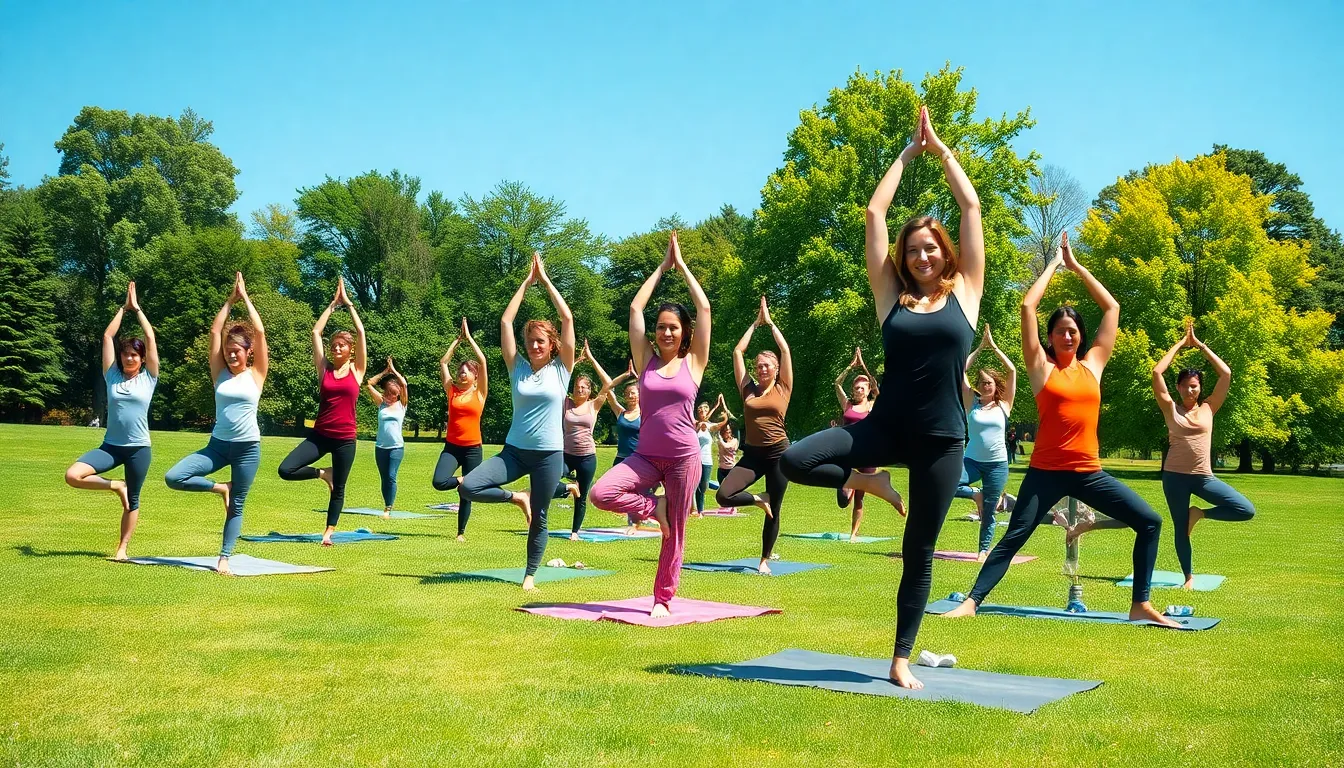
A balance routine offers several advantages that enhance both physical health and mental well-being. These benefits contribute to improved quality of life.
Physical Health Advantages
Engaging in a balance routine leads to enhanced physical health. Cardiovascular fitness improves through regular activity, reducing the risk of heart disease. Muscle strength and flexibility strengthen with diverse exercises like yoga, enhancing mobility. Injury prevention becomes more effective as agility and coordination increase, making everyday tasks easier. Weight management benefits from consistent movement which encourages calorie burn. Individuals experience better sleep quality, allowing for more restorative rest and increased energy throughout the day.
Mental Wellbeing
A balance routine significantly boosts mental well-being. Reduced anxiety and stress levels result from mindfulness practices, which cultivate a sense of calm. Improved focus and concentration emerge as mental clarity increases, allowing individuals to tackle tasks more effectively. Enhanced emotional resilience develops through regular engagement with nurturing social connections, offering supportive relationships that provide comfort. Creativity and problem-solving capabilities see an uptick as cognitive function sharpens, enabling clearer thinking. Overall, a balanced lifestyle fosters positivity and emotional stability.
Types of Balance Exercises
Balance exercises fall into two primary categories: static and dynamic. Static balance involves maintaining a position without movement, helping to enhance stability. Examples include single-leg stands and yoga poses like Tree Pose. Dynamic balance refers to maintaining stability while moving, such as during walking or running. Exercises like lunges or moving side-to-side can improve one’s dynamic balance.
Static vs. Dynamic Balance
Static balance focuses on holding a position, providing a foundation for stability. This form of balance builds strength and control in various muscle groups. For instance, practicing Tai Chi enhances both static and dynamic balance. By integrating techniques, individuals improve their overall coordination. Dynamic balance incorporates movement, challenging stability through activities like dancing or agility drills. It engages core muscles while enhancing reaction time and spatial awareness.
Age-Appropriate Balance Routines
Balance routines should adapt according to age and ability. Children benefit from playful activities that encourage movement, such as obstacle courses and games like hopscotch. Teenagers find value in sports that require agility and coordination, enhancing their balance through dynamic exercises. Older adults, on the other hand, require routines focusing on stability to prevent falls. Simple exercises like heel-to-toe walking or chair-assisted squats can maintain their balance effectively. Tailoring routines ensures that individuals at all stages enhance their balance and overall physical health.
How to Create a Personal Balance Routine
Creating a personal balance routine involves assessing individual needs and preferences. It also requires a commitment to prioritizing well-being.
Setting Goals
Define specific, measurable goals to direct the routine. For example, individuals might aim to improve flexibility by practicing yoga three times a week. Establishing priorities fosters motivation and accountability. Consider short-term and long-term objectives, such as increasing daily activity levels or enhancing mindfulness through meditation. Review and adjust these goals regularly to stay aligned with personal progress and changing circumstances. Clear intentions guide actions and create a sense of purpose in pursuing a balanced lifestyle.
Selecting Appropriate Exercises
Select exercises that align with personal interests and fitness levels. Consider incorporating activities like walking, swimming, or cycling, which support cardiovascular fitness while promoting enjoyment. Balance training can include static exercises such as single-leg stands or dynamic movements like lunges. Focus on a mix of strength, flexibility, and stability routines to achieve comprehensive benefits. New exercises can be tried regularly to maintain engagement and challenge the body. Tailoring the intensity ensures the routine remains effective and enjoyable for continued commitment.
Establishing a balance routine is essential for navigating life’s demands with ease. By prioritizing balance individuals can enhance their productivity and overall well-being. Embracing a mix of activities tailored to personal preferences not only boosts physical health but also nurtures mental resilience.
Creating a balance routine isn’t just about exercise; it’s about fostering connections and setting boundaries to protect one’s energy. Regularly assessing and adjusting goals keeps the routine fresh and aligned with personal growth. Ultimately a well-crafted balance routine leads to a more fulfilling and harmonious lifestyle.