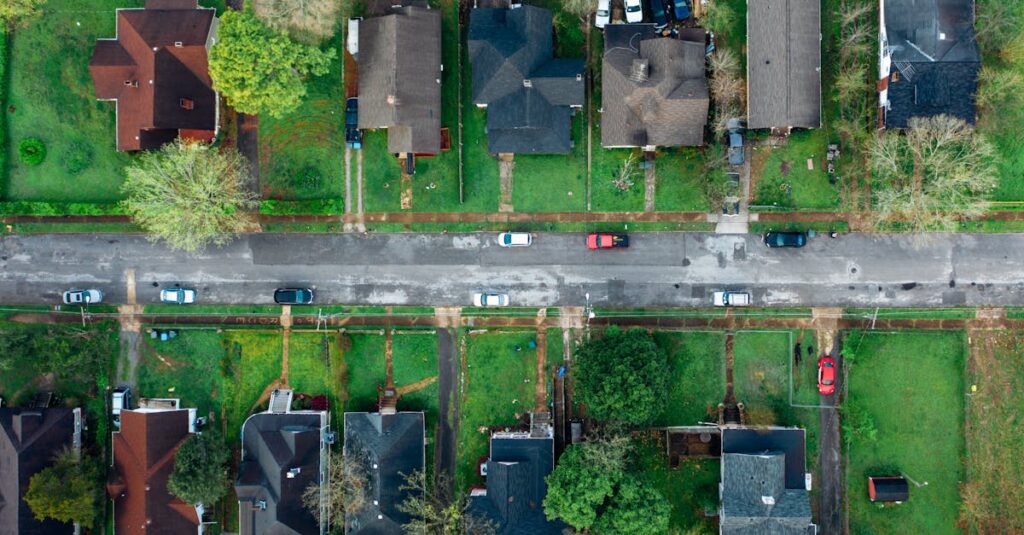
Imagine living in a place where your biggest worry isn’t a looming property tax bill but what flavor of ice cream to enjoy on a sunny afternoon. For many, this dream can become a reality in countries that don’t impose property taxes. These havens not only offer financial relief but also the chance to invest in experiences rather than endless paperwork.
Table of Contents
ToggleOverview of Property Tax
Property tax serves as a vital revenue source for governments worldwide. Jurisdictions typically levy this tax on the ownership of real estate, generating funds for public services such as education, infrastructure, and emergency services. Rates and regulations vary significantly among countries, impacting the financial obligations of property owners.
Several factors influence property tax rates, including local economic conditions, property values, and government expenditures. Countries without property tax often rely on alternative sources of revenue, such as sales tax or income tax. This model reduces the financial burden on property owners and encourages foreign investment and relocation.
In some cases, municipalities implement a flat property tax rate, allowing for predictable budgeting for homeowners and businesses. Conversely, many areas employ a progressive tax structure, which increases tax rates based on property value. This structure aims to balance the burden across different income levels while ensuring essential services remain funded.
Countries exempt from property tax often attract expats and retirees seeking financial relief. Such nations offer diverse benefits, including low living costs and favorable climate conditions. Individuals considering a move to these regions may find an enhanced quality of life, given the reduced taxation.
Investments in alternative systems yield stability in these markets. Strategies may encompass increased tourism data collection or improved business regulations. Understanding the nuances of property taxation and identifying countries without property tax can facilitate informed decisions for individuals looking to relocate or invest.
Countries Without Property Tax
Several countries offer property tax exemptions, attracting individuals looking for financial relief. These nations provide unique environments with varied lifestyles and investment opportunities.
Key Examples
- Monaco: This city-state imposes no property taxes, attracting wealthy individuals and investors due to its luxurious lifestyle.
- Bahamas: Known for its stunning beaches, the Bahamas offers no property tax, making it a popular destination for expats.
- Vanuatu: This Pacific nation attracts residents with its appealing climate and lack of property tax.
- St. Kitts and Nevis: These islands provide incentives for property purchases, including no property tax, appealing to investors.
- United Arab Emirates: Certain emirates within the UAE do not tax property, encouraging foreign investments and residents.
Benefits of No Property Tax
Living in a country without property tax reduces the overall cost of ownership. Individuals enjoy increased disposable income, allowing them to allocate funds towards experiences or investments. Landowners benefit from increased financial freedom and lower barriers to real estate investment. Attractive fiscal policies encourage both long-term residents and expatriates. Additionally, minimal tax burdens can stimulate local economies through increased spending, fostering vibrant communities. These financial advantages lead to enhanced quality of life and greater opportunities for individuals and families.
Implications for Residents
Living in countries without property tax attracts many residents seeking financial relief. The absence of this tax often leads to a boost in disposable income, allowing individuals to invest in experiences and personal pursuits.
Economic Impact
Reduced financial obligations enhance spending power significantly. Individuals in these tax-free environments often invest more in local businesses, stimulating economic growth. The influx of foreign investment further bolsters local economies. Governments typically rely on alternative revenue sources, like consumption taxes or tourism fees, to sustain services. These strategies can prove effective, ensuring essential services remain funded without placing additional burdens on residents. Local job creation often results from increased economic activity, benefiting both citizens and expatriates.
Social Considerations
Communities within tax-free countries often experience unique social dynamics. Lower living costs encourage a diverse mix of residents, fostering rich cultural interactions. Enhanced quality of life emerges as residents prioritize leisure and community engagement over financial stress. Access to high-quality services such as education and healthcare can vary; this disparity may raise concerns among residents. Additionally, the influx of expatriates sometimes leads to cultural shifts that locals may find challenging. Striking a balance between growth and maintaining community identity becomes essential in these dynamic environments.
Alternative Funding Mechanisms
Countries without property taxes often implement alternative funding mechanisms to maintain their economies. Consumption taxes present a common method, enabling governments to generate revenue based on spending rather than ownership. Nations like the Bahamas utilize this approach effectively, ensuring funding for essential services while keeping property ownership attractive.
Tourism fees also play a crucial role in these economies. In Vanuatu, fees from tourists contribute significantly to public services and infrastructure, reducing reliance on domestic property taxes. This system not only supports local economies but also encourages the growth of the tourism sector.
Additionally, corporate taxes often provide a substantial revenue stream. Countries like St. Kitts and Nevis attract businesses with competitive tax rates, creating jobs and stimulating economic activity. A thriving business environment fosters further investment in local communities.
Fees and licenses associated with specific services constitute another avenue for revenue collection. In some United Arab Emirates emirates, charges on business operations and commercial permits support public funding without taxing property owners.
Community engagement and public donations can supplement these funding sources. Local governments may seek support from residents and expatriates to contribute to cultural and infrastructure projects. This approach fosters a sense of ownership and involvement among community members.
Several countries combine these mechanisms, balancing them to offset the absence of property taxes. Carefully designed systems—like those seen in Monaco—ensure that essential services remain funded while keeping the property market appealing. Engaging with various funding strategies helps these nations sustain their economies while attracting residents seeking favorable tax environments.
Living in countries without property tax offers a unique opportunity for individuals seeking financial relief and a higher quality of life. These nations create environments where residents can enjoy increased disposable income and invest in personal pursuits. The alternative revenue sources used by these countries demonstrate a different approach to economic sustainability, allowing for vibrant communities and local engagement.
While the absence of property tax can enhance financial freedom, it’s essential to consider the broader implications for access to services and cultural dynamics. Ultimately, understanding the benefits and challenges of these tax-free environments can help individuals make informed choices about relocation and investment.