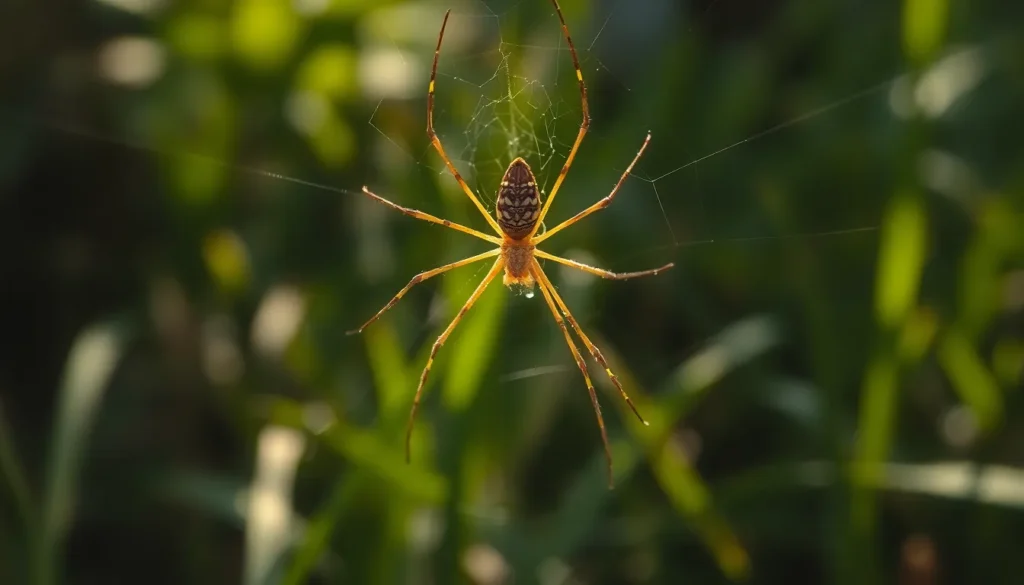
When it comes to creepy crawlies, few things can send shivers down the spine like a spider with long legs. But just how scary are these elongated appendages? They’re often the stuff of nightmares, lurking in dark corners and making even the bravest souls jump. It’s not just the sheer length that’s unsettling; it’s the way they move, skittering across the floor like they own the place.
Long legs can turn an innocent encounter into a heart-pounding experience. Whether it’s a spider or that awkward tall guy at the party, there’s something about those long limbs that triggers a primal fear. But are they really as terrifying as they seem? Join the exploration into the world of long legs, where humor meets horror, and discover if you should really be running for the hills or just laughing it off.
Understanding Long Legs
Long legs can elicit fear and fascination. Many people associate long legs with predatory creatures like spiders. An unsettling aspect of spiders lies in their rapid, unpredictable movements. Tall individuals may also evoke discomfort in social situations, intensifying the perception of threat.
Creatures with long legs often exhibit unique characteristics. They display agility and speed, qualities that contribute to fear. An example includes the way a spider navigates its environment, seeming to dart unpredictably. Many find these movements disconcerting, leading to a visceral reaction.
Different environments can heighten the sense of fear. In natural settings, long-legged creatures often blend with foliage, making them harder to spot. This camouflage can create a sense of unease, as individuals are rarely aware of their presence. Dark, unfamiliar spaces further amplify this tension.
Perceptions of long legs can vary widely based on individual experiences. Some people react with humor, finding joy in the quirky movements of animals. Others may feel an instinctive fear that stems from deep-seated evolutionary responses. Such diverse reactions highlight the complex relationship humans have with these creatures.
Cultural interpretations also play a role in shaping fear. Folklore and media frequently depict long-legged beings as ominous figures. This portrayal influences collective perceptions, making the fear of long legs more prevalent. Understanding these dynamics provides insight into why such fear persists.
The Psychology Behind Fear
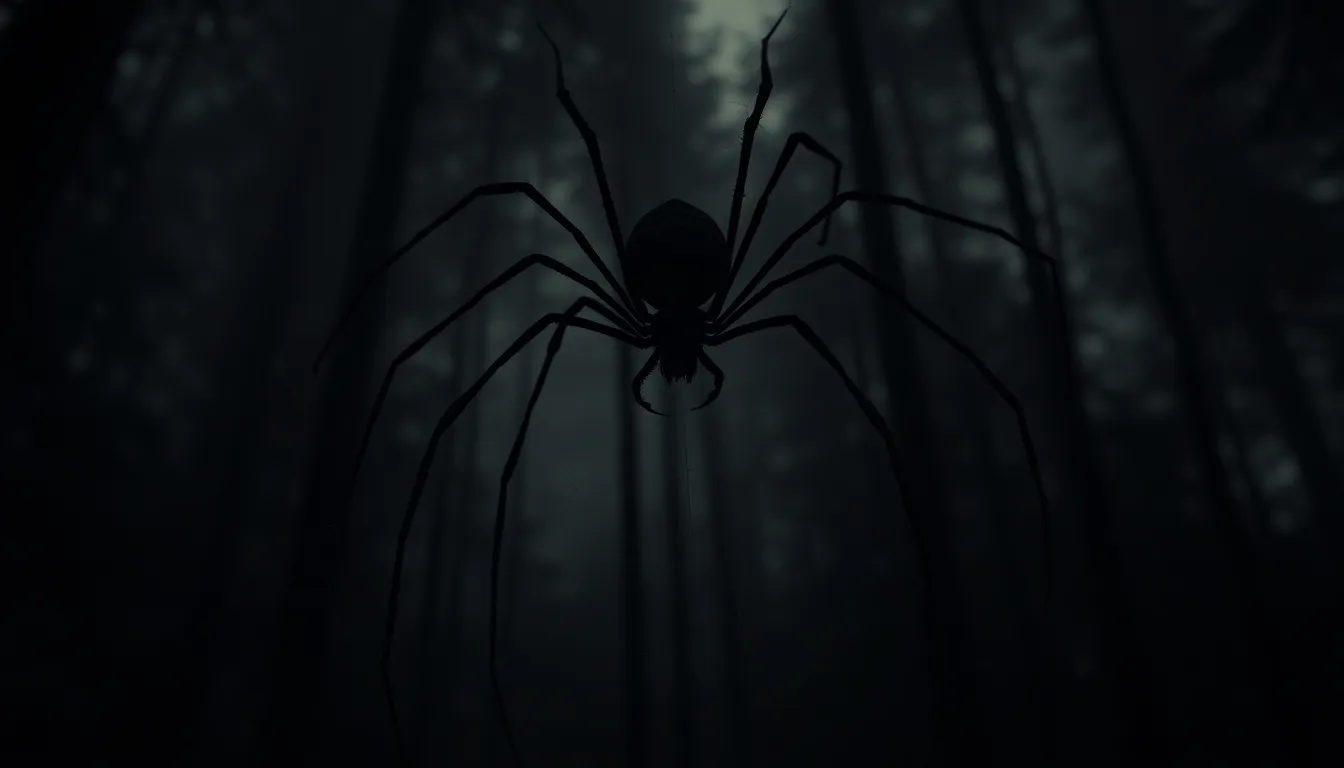
Fear of long-legged creatures arises from deep-rooted psychological responses. Instinctual reactions stem from a combination of evolutionary history and personal experiences.
Common Fears and Phobias
Many individuals experience specific phobias, with arachnophobia being a prevalent example. This fear encompasses not just spiders but also their long legs, contributing to feelings of unease. Individuals react strongly to the rapid movement of these creatures, which triggers automatic fight-or-flight responses. Social situations can also amplify discomfort when encountering tall individuals, often creating a sense of intimidation. Variability in affinity for tall creatures ties to personal experiences, making some viewers laugh while others experience intense fear.
The Impact of Visual Appearance
Visual characteristics of long-legged beings significantly influence fear levels. Spiders typically possess elongated limbs, sharp features, and quick movements, heightening intimidation. Additionally, the unexpected speed at which these creatures dart can provoke panic in those prone to fear. Physical appearance plays a crucial role in how individuals assess threats, with exaggerated or distorted images fostering further anxiety. Cultural portrayals often enhance fear by depicting long legs in sinister roles, reinforcing these negative perceptions in the collective psyche.
Analyzing the Fear of Long Legs
Fear of long legs manifests through various cultural references and media portrayals. Creatures like spiders often feature in horror films and folklore, amplifying the anxiety surrounding their appearance. Additionally, their portrayal as sinister figures creates a lasting impact on societal perceptions. Notably, legends often highlight the monstrous qualities of long-legged beings, cementing their role in the collective fear narrative. The influence of these cultural depictions shapes individuals’ reactions, turning curiosity into aversion.
Experiences vary greatly among individuals when facing long-legged creatures. Some people recount moments of panic triggered by unexpected encounters with spiders. These personal anecdotes showcase instinctive reactions, revealing the depth of their fear. Others find humor in the awkwardness of long-legged movements, highlighting a more lighthearted perspective. The amalgamation of fear and fascination often leads to conflicting emotions, as personal stories interweave with societal anxieties. Each encounter brings unique nuances, reflecting how deeply ingrained these fears are in the human psyche.
Overcoming the Fear
Facing the fear of long legs requires understanding and practical strategies. Many individuals find strategies that help reduce their anxiety.
Coping Mechanisms
Exposure therapy serves as a common method, gradually introducing fearful stimuli. Visualization techniques involve imagining long-legged creatures in a controlled, safe environment. Deep breathing exercises enhance relaxation and manage panic when encountering long legs. Engaging in mindfulness practices helps individuals stay grounded, focusing on the present moment rather than potential fears. Humor often provides relief; many individuals find laughter helps diminish anxiety associated with exaggerated fear of these creatures.
Seeking Help and Support
Therapists specializing in phobias can offer guidance, employing cognitive-behavioral therapy to address fears. Support groups allow individuals to share experiences, reinforcing the idea that fears are common among many people. Online forums and communities provide safe spaces for those struggling with similar fears, facilitating connection and support. Educating oneself about the psychology behind fears can provide context and lessen their hold. Professional advice and support from friends can help create strategies tailored to personal experiences.
The fear of long legs, whether associated with spiders or tall individuals, remains a complex mix of instinct and cultural influence. This fear can trigger intense emotional responses but also invites a unique opportunity for humor and understanding. By examining personal experiences and societal portrayals, individuals can better navigate their feelings toward these creatures.
Embracing coping strategies and seeking support can help transform fear into a more manageable emotion. Ultimately, recognizing the blend of fear and fascination surrounding long-legged beings can lead to a deeper understanding of both the creatures themselves and the psychological responses they evoke.